
Table of Contents
ToggleGlobal affairs techniques shape how nations interact, negotiate, and build relationships on the world stage. These strategies determine everything from trade agreements to peacekeeping efforts. Understanding them helps decode the news headlines that affect economies, security, and daily life across borders.
Countries don’t operate in isolation. They compete, cooperate, and compromise using specific methods developed over centuries. Some techniques rely on formal talks between ambassadors. Others use economic pressure or cultural exchange to achieve political goals. Each approach serves a purpose depending on the situation and the players involved.
This guide breaks down the core global affairs techniques used by governments, diplomats, and international bodies. It covers diplomatic negotiation, economic policy tools, soft power strategies, and multilateral cooperation. These concepts provide a foundation for anyone interested in how nations manage their relationships and resolve disputes.
Key Takeaways
- Global affairs techniques include diplomatic negotiation, economic tools, soft power, and multilateral cooperation to manage international relationships.
- Diplomatic negotiation remains the primary method for resolving disputes, ranging from bilateral talks to international court rulings.
- Economic tools like trade agreements, sanctions, and foreign aid allow countries to influence behavior without military intervention.
- Soft power uses culture, values, and public diplomacy to attract and persuade rather than coerce foreign audiences.
- Multilateral organizations like the United Nations pool resources and establish common rules to address challenges no single nation can solve alone.
- Understanding global affairs techniques helps explain trade deal timelines, persistent conflicts, and unexpected international partnerships.
What Are Global Affairs Techniques?
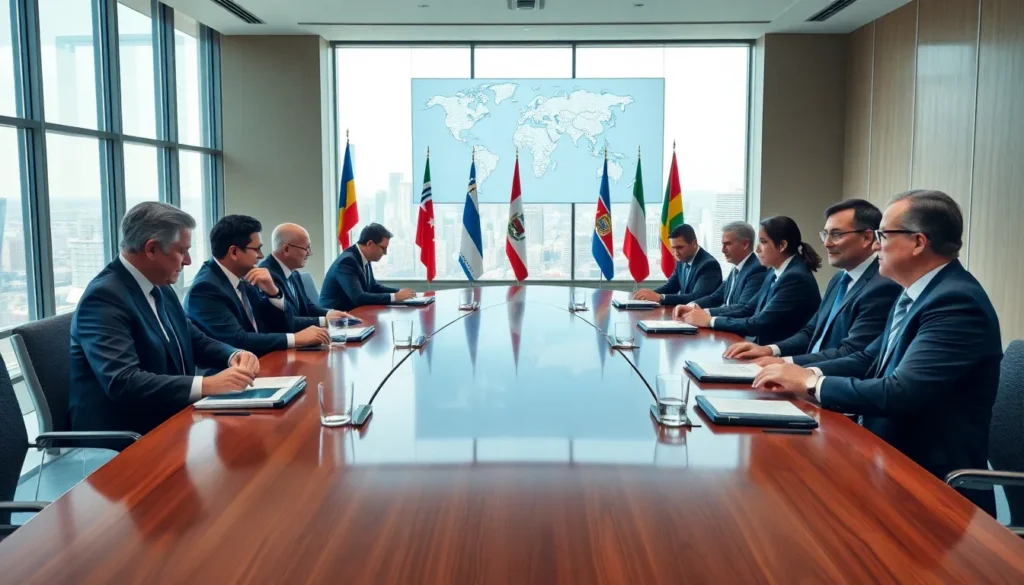
Global affairs techniques are the methods governments and organizations use to manage international relationships. They include formal diplomatic practices, economic strategies, cultural programs, and participation in international institutions.
These techniques serve several purposes. They help countries protect their interests abroad. They enable cooperation on shared challenges like climate change, terrorism, and public health crises. They also provide frameworks for resolving disputes before they escalate into conflict.
The choice of technique depends on many factors. A country’s size, economic power, military strength, and geographic location all influence which approaches work best. A small nation might rely heavily on multilateral institutions for protection. A major power might prefer bilateral negotiations where it can leverage its advantages.
Global affairs techniques have evolved significantly since World War II. The creation of the United Nations, World Trade Organization, and regional bodies like the European Union changed how nations interact. Today’s global affairs techniques blend traditional diplomacy with modern tools like economic sanctions, digital communication, and public diplomacy campaigns.
Understanding these techniques matters beyond government offices. Businesses, journalists, and citizens benefit from knowing how international decisions get made. This knowledge helps explain why trade deals take years to complete, why some conflicts persist for decades, and why certain partnerships form between unlikely allies.
Diplomatic Negotiation and Conflict Resolution
Diplomatic negotiation remains the primary global affairs technique for settling disputes. Nations send representatives to discuss issues, find common ground, and draft agreements. This process can take weeks or years depending on the stakes involved.
Successful diplomatic negotiation requires preparation. Diplomats research the other party’s interests, constraints, and decision-making processes. They identify areas of potential agreement and anticipate objections. They also develop alternatives if talks fail.
Conflict resolution through diplomacy takes several forms:
- Bilateral talks: Direct negotiations between two countries
- Mediation: A third party helps help discussions
- Arbitration: Parties agree to accept a neutral decision
- International courts: Legal bodies issue binding rulings
The Iran nuclear deal of 2015 illustrates how global affairs techniques combine in practice. Six world powers spent two years negotiating with Iran. They used economic incentives, security guarantees, and verification mechanisms to reach an agreement. The process showed both the potential and limitations of diplomatic negotiation.
Conflict resolution also involves preventive diplomacy. This approach addresses tensions before they become crises. Early warning systems, confidence-building measures, and dialogue channels all serve this purpose. The Organization for Security and Co-operation in Europe uses such tools across its 57 member states.
Economic and Trade Policy Approaches
Economic tools form a major category of global affairs techniques. Countries use trade agreements, sanctions, tariffs, and financial incentives to influence each other’s behavior.
Trade agreements remove barriers between participating nations. They reduce tariffs, establish common standards, and create dispute resolution mechanisms. The United States-Mexico-Canada Agreement governs over $1.4 trillion in annual trade. Such deals require years of negotiation and touch everything from agriculture to intellectual property.
Sanctions represent the coercive side of economic global affairs techniques. They restrict trade, freeze assets, or block financial transactions to pressure target countries. The European Union and United States have imposed extensive sanctions on Russia following its actions in Ukraine. These measures aim to change behavior without military intervention.
Foreign aid serves as another economic tool. Donor countries provide grants, loans, and technical assistance to recipients. This aid can strengthen allies, promote development, and build influence. China’s Belt and Road Initiative uses infrastructure investment as a global affairs technique to expand its relationships across Asia, Africa, and Europe.
Currency policy also affects international relations. Countries manage exchange rates to support exports or combat inflation. Accusations of currency manipulation have sparked trade tensions, particularly between the United States and China.
Economic global affairs techniques work best when aligned with other approaches. Sanctions alone rarely achieve policy goals. Combined with diplomatic pressure and international coordination, they become more effective.
Soft Power and Cultural Diplomacy
Soft power represents global affairs techniques that attract and persuade rather than coerce. Political scientist Joseph Nye coined the term in 1990 to describe influence through culture, values, and policies rather than military or economic force.
Cultural diplomacy spreads a country’s ideas and values abroad. Exchange programs bring foreign students and professionals to learn and experience different societies. The Fulbright Program has sent over 400,000 participants between the United States and other countries since 1946.
International broadcasting serves similar purposes. Services like BBC World Service, Voice of America, and France 24 present news and perspectives to global audiences. They shape how people view the sponsoring countries and their policies.
Sports and entertainment also function as global affairs techniques. The Olympics bring nations together in peaceful competition. Film and music exports spread cultural influence worldwide. South Korea’s investment in K-pop and Korean dramas has boosted its global profile significantly.
Public diplomacy targets foreign populations directly. Governments communicate through social media, cultural centers, and speaking tours. They aim to build favorable opinions that eventually influence policy.
Soft power has limits. It works slowly and its effects are hard to measure. A country’s actions can undermine its soft power if they contradict its stated values. Still, soft power complements harder global affairs techniques by creating goodwill and understanding.
Multilateral Cooperation and International Organizations
Multilateral cooperation brings multiple countries together to address shared challenges. This global affairs technique pools resources, establishes common rules, and creates forums for ongoing dialogue.
The United Nations sits at the center of multilateral cooperation. Its 193 member states participate in the General Assembly, while the Security Council addresses peace and security issues. Specialized agencies like the World Health Organization and UNESCO tackle specific policy areas.
Regional organizations handle issues within geographic areas. The African Union coordinates among 55 African nations. ASEAN connects ten Southeast Asian countries. The European Union represents the deepest form of regional integration, with shared institutions governing trade, migration, and regulations.
International organizations provide several advantages as global affairs techniques:
- They reduce transaction costs by providing standing forums
- They establish norms and standards that guide behavior
- They create mechanisms for monitoring and enforcement
- They give smaller nations greater voice than they’d have alone
Multilateral approaches face challenges too. Decision-making can move slowly when many parties must agree. Powerful countries may bypass institutions when convenient. Funding and political support fluctuate with domestic politics.
Even though these limitations, multilateral cooperation addresses problems no single nation can solve. Climate change, pandemic response, and cybersecurity all require coordinated global affairs techniques across borders.


